
Cargo and Container Safety
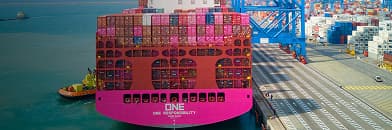
The safe transportation of cargo is fundamental to delivering the highest standards of customer service and enabling a smooth flow of operations. It also protects ship and land crew from harm. We ensure safe cargo transportation and operations onboard by enforcing strict safety standards and inculcating safety awareness in our employees and contractors.
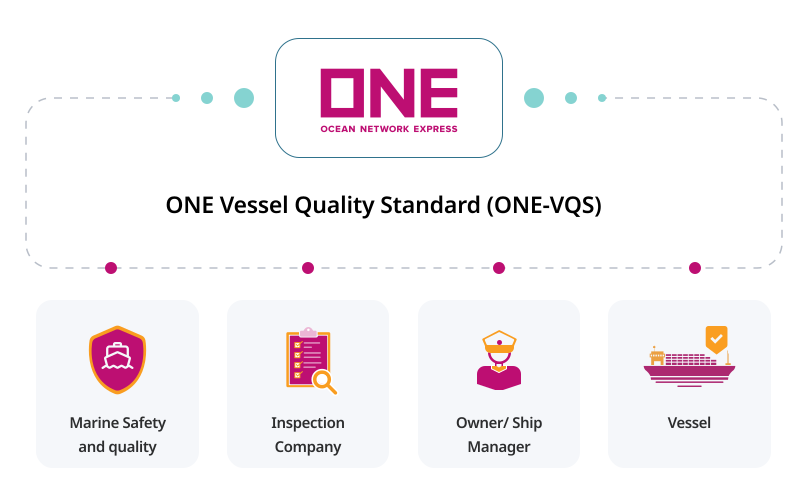
ONE's stringent Vessel Quality Standard (VQS) drives our approach to vessel safety. The VQS ensures high safety standards are maintained on ships, based on requirements for ship safety and quality management systems that are in line with industry standards.
To ensure the safe operation of ships, we developed and implemented an Operational Standard to provide guidance to ship crews on how to manage and respond to issues such as cargo damage, heavy weather, accidents and fires, as well as on safe navigation of areas at high-risk of piracy and conflict zones. Issues such as robbery and theft, unauthorized stowaways, and the smuggling of firearms, drugs, and other illegal contraband are also addressed in the Operational Standard.
Safety
Marine Accident Report System (MARS)
ONE launches our Marine Accident Report System (MARS), with aims of processing accident cases appropriately and swiftly, analyzing accident trends, and formulating effective prevention measures.
We are taking various steps aimed at eliminating accidents, by using this system to analyze accident details and trends and deeply explore root causes of accidents. By creating a database of accident information, moreover, we are able to share information with our worldwide network in a timely manner, co-ordinate emergency response when necessary and establish optimal safety measures.
Crisis Management
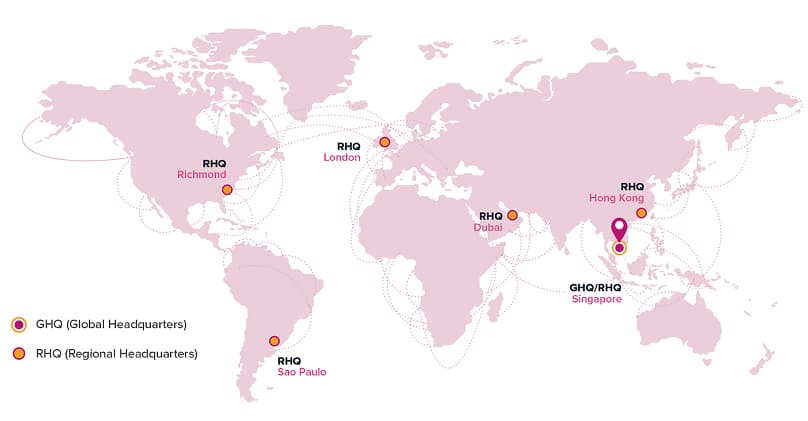
ONE has created an emergency response network based on five overseas regions, allocating Marine Super Intendent (MSI) to regional vessel operators, which aims to be ready for maritime accidents and problems around the world.
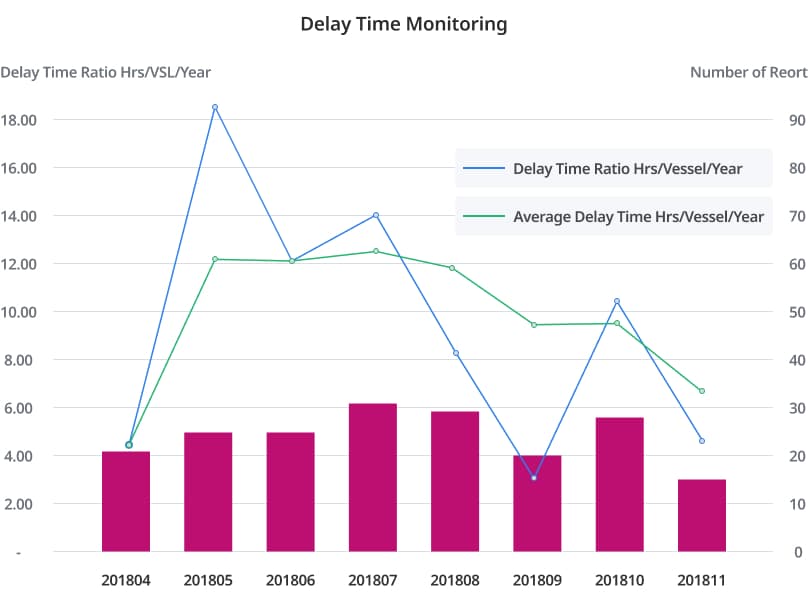
Use of Downtime to Measure Safety
We use the time that ships are stopped due to accidents or problems as a means of measuring the degree to which we have achieved safe ship operation. Our sea and land operations work together to bring us closer to the target of 'zero' downtime.
Pre-Embarkation Briefing
Prior to embarkation, a Joint ONE Briefing is conducted for ONE operated vessel’s deck & engineering officers as a crucial component of crew preparation. Coordinated primarily by the Marine Safety & Quality (MSQ) department, this briefing is a collaborative effort involving key departments from Global Vessel Operation (GVO). The objective is to clearly communicate the Company's fundamental safety and quality policies, provide the latest specific operational information, and reinforce instructions.
Large-Scale Accident Drill
In the unfortunate event of an accident, timely and accurate responses are crucial. To ensure such responses, we regularly conduct drill assuming “worst-case scenarios involving ships under our operation.” This drill involves practical training and cover everything from assembling an early emergency response team to establishing an accident response headquarters and setting up information-sharing systems within it, as well as establishing systems for communicating with overseas parties.
Navigation Policy
ONE issues navigation policies for operated ship in concerning areas around the world with an aim to mitigate risks from Piracy, violation of ship/cargo cargo security and geo-political issues. The number of piracy incidents off the coast of Somalia and the Gulf of Aden has remained low in recent years due to countermeasures undertaken by various national troops, including Japan’s Maritime Self-Defense Force. Nevertheless, the situation could easily be reversed if the international community weakens its efforts. Moreover, piracy-related losses still occur frequently in Gulf of Guinea (West Africa) and in Southeast Asia. Accordingly, conditions for merchant ship navigation remain unpredictable.
Off the coast of Somalia and in the Gulf of Aden, we endeavor as much as possible to receive protection from Japan’s Maritime Self-Defense Force and navies of various countries. For our own self-defense, we do everything possible to ensure the safety of crew as top priority. This includes avoiding problematic areas, maintaining at high speeds, measures adopted in latest industry wide Best Management Practice (BMP) and other ONE adopted counter measures.
PDCA Cycle for Safety
Marine Safety and quality department publish up-to-date safety information to share accident case and good practice from our operating vessels. Lessons learned from the accidents, and environmental measures are notified to the shipowners, ship management companies, and all operational vessels through the monthly newsletter, and information is shared between onshore and offshore personnel.
Vessel Operation - Day to Day Monitoring
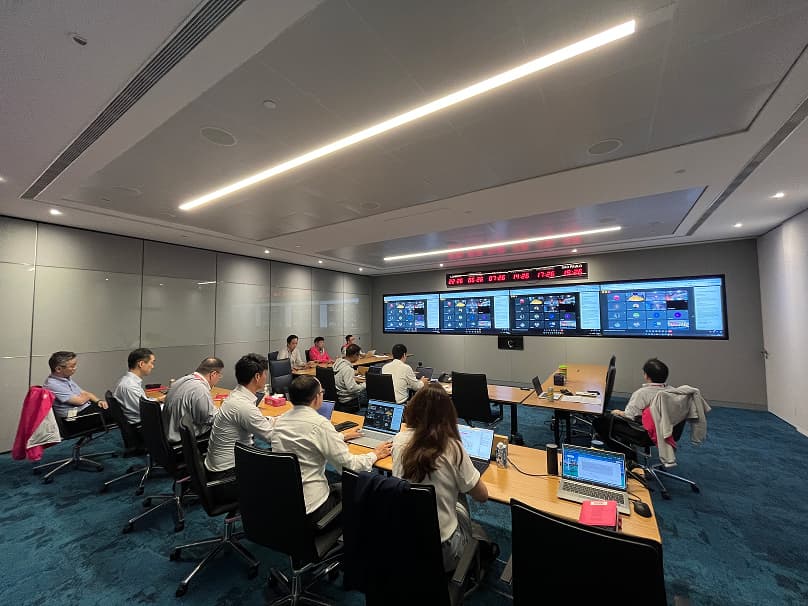
Global Vessel Operation’s specialist team named Global Ocean Routing and Advisory (GORA) checks navigation safety risks timely and in a consistent manner. ONE global head quarter & other regional office have monitoring stations specifically designed for this purpose.
Safety Campaign
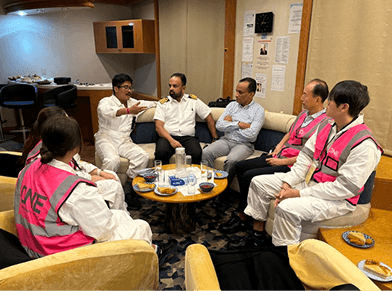
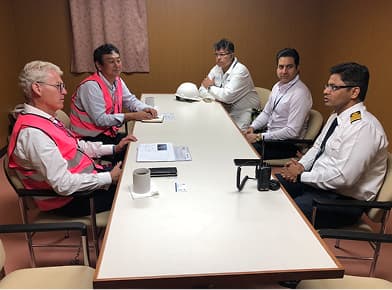
ONE periodically conducts safety enhancement campaigns to foster a corporate culture that embodies safety. Personnel engaged in onshore and offshore operations exchange opinions and deepen their mutual understanding about a main theme based on current priorities.
During the campaign period, executive officers and management will conduct vessel visits to emphasize the importance of navigation safety with the captain and crews, discussing measures to achieve this goal.
ONE also creates opportunities for further discussion with representatives from shipowners and ship-management companies to get its safety activities to the frontline of vessel operations.
Subscribe
Receive the latest updates from ONE
Manage SubscriptionDownload ONE Mobile App
Access ONE anytime, anywhere

Follow Us on ONE WeChat


Follow ONE on social media